Column · @flightlinejournal
Deciding When to Outsource Drone Data Capture for Your Project
Deciding whether to handle drone data capture in-house or bring in a specialist team comes down to scale, timeline, and the technical demands of the job. For many projects, the smartest move is to use a turnkey drone capture service that handles everything from flight planning to raw data delivery. This approach saves time, reduces risk, and gives you clean, usable data without needing to build your own drone operation from scratch.
But not every project needs outsourcing. If you have a small site, a simple flight path, and your team already holds the necessary certifications, doing it yourself can work fine. The tipping point arrives when the project grows in complexity, area, or the need for consistent, repeatable data. That is when a turnkey service becomes the practical choice.
What Turnkey Drone Capture Means
Turnkey drone capture refers to a service that provides the entire data-gathering package: the aircraft, the pilot, the sensor, the flight plan, and the initial data processing. You receive the final output - often orthomosaics, point clouds, or 3D models - without having to manage any of the operational details. This differs from renting a drone or hiring a freelance pilot because the service typically includes data processing and quality control as part of the standard offering.
For a project manager or an engineer, this removes a major coordination burden. Instead of sourcing equipment, checking weather windows, verifying pilot credentials, and stitching images yourself, you define the area and the required deliverables, and the service delivers. The keyword here is "turnkey": you turn the key and the data is ready to use.
When Outsourcing Makes Sense
Outsourcing drone data capture works best in several clear scenarios. Here is a breakdown of the situations where handing over the flying is the most efficient path.
Large or Complex Sites
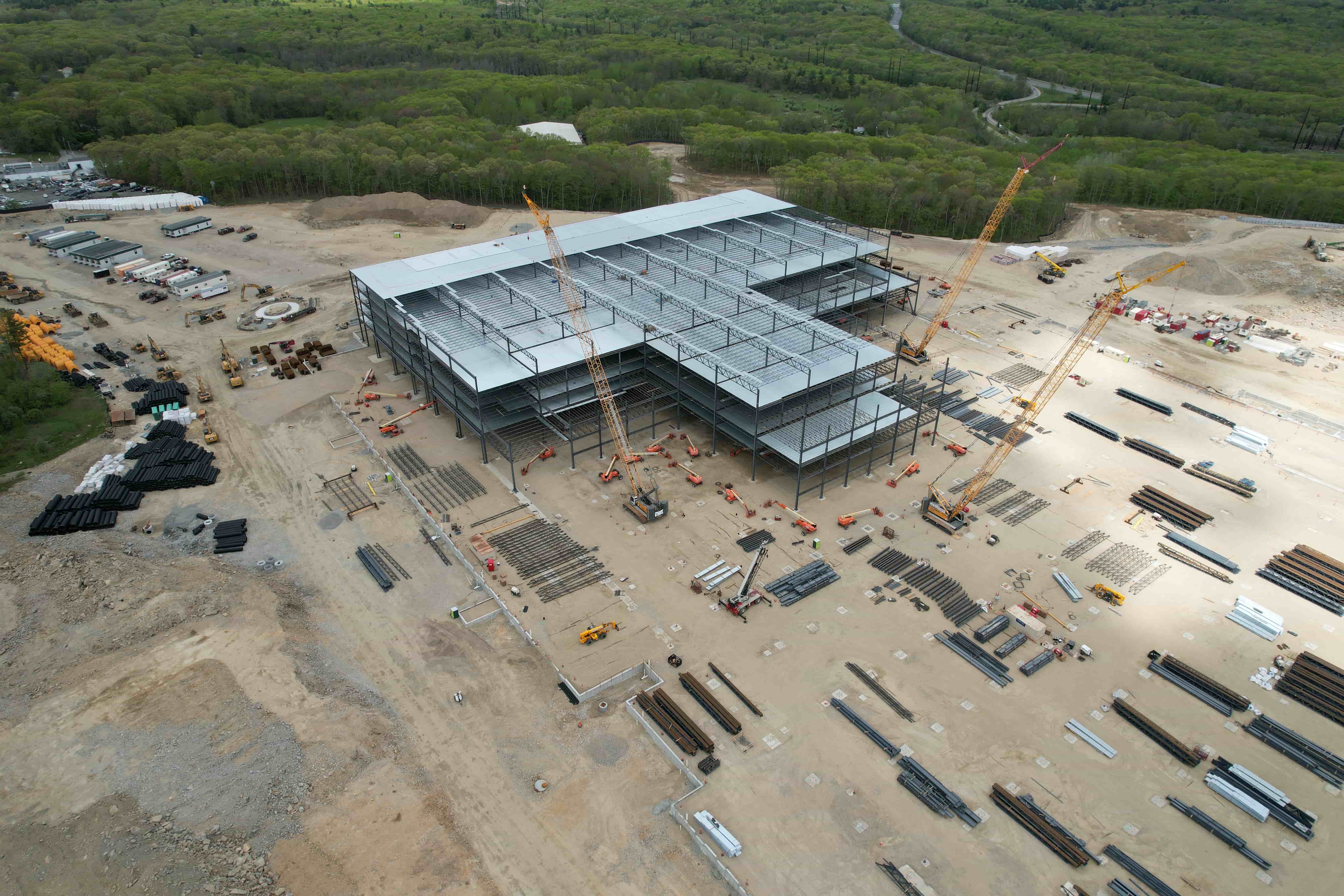
If your site covers hundreds of acres, contains multiple elevation changes, or has restricted airspace nearby, a professional capture team arrives with experience flying those conditions. They know how to plan overlapping flight lines to produce accurate orthomosaics and how to handle terrain that would trip up a less experienced pilot. A turnkey provider brings the right sensor for the job - whether that is an RGB camera for visual inspection, a multispectral sensor for vegetation analysis, or a LiDAR unit for precise surface models.
Strict Deadlines
When a construction milestone, a regulatory filing, or a client presentation depends on having aerial data by a specific date, outsourcing removes the uncertainty of learning on the job. A dedicated capture team can mobilise quickly, fly large areas in a single session, and process the data while you focus on your core responsibilities. Delays caused by weather, equipment failure, or pilot availability are their problem to solve, not yours.
Need for Repeatable, Standardised Data
Projects that require before-and-after comparisons, progress tracking, or volume calculations benefit from consistent capture methods. A turnkey service uses the same flight patterns, the same sensor settings, and the same processing pipeline every time. This consistency means the data you collect in month one can be directly compared with data from month six, giving you reliable change detection and volume estimates.
Regulatory and Insurance Hurdles
Flying a drone commercially in many countries requires a Remote Pilot Certificate or equivalent licence, plus insurance and adherence to airspace rules. If your organisation lacks these credentials, outsourcing avoids the paperwork and compliance risk. The capture provider holds the licences, carries the insurance, and handles airspace authorisations. You simply supply the boundaries and the deliverables list.
Internal Resources Are Better Used Elsewhere
Even if your team could learn to fly and process drone data, that time might be better spent analysing the results. An engineer or surveyor who spends a day flying a site is not doing their primary job. Outsourcing the capture lets your specialists focus on interpretation and decision-making, which is where their training adds the most value.
What to Look for in a Turnkey Provider
Choosing the right partner matters as much as deciding to outsource. A good provider should be able to demonstrate experience with your type of terrain and deliverable. Ask about their sensor options - a provider who only carries one type of camera may not be the best fit for a project that needs LiDAR. Check their data processing workflow. Do they deliver raw images, or do they provide stitched orthomosaics and georeferenced files? The answer depends on whether you plan to do your own post-processing or want a ready-to-use product.
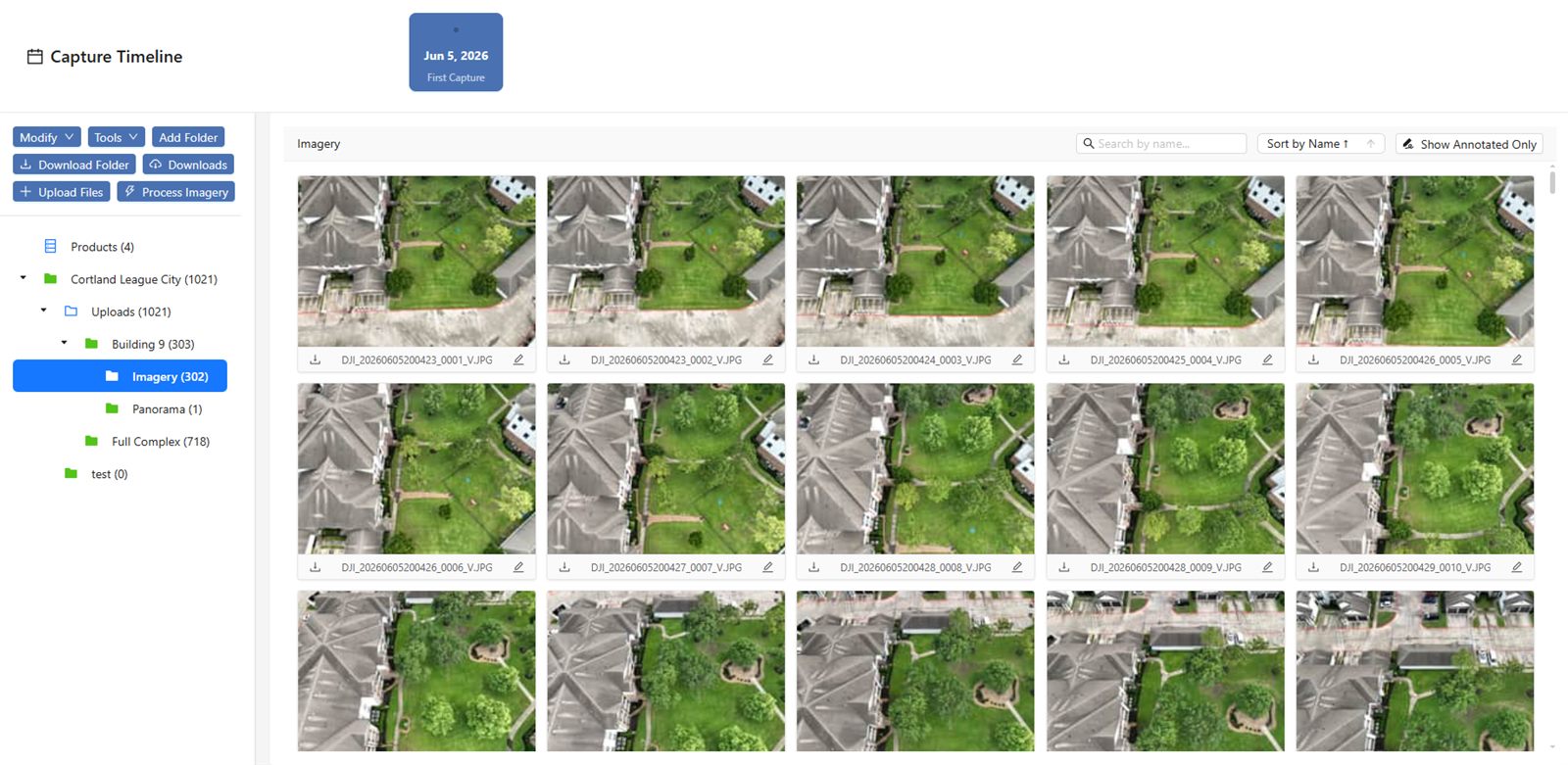
Another factor is how they handle data handoff. Some providers give you a hard drive or a cloud link with the final files. Others integrate directly with platforms that let you upload, process, organise, visualise, compare, measure, and share the aerial data. That kind of integration can save another round of file transfers and software imports. National Drone Services is one example of a provider that offers nationwide turnkey capture and also supports a platform for managing and analysing the data once it is delivered. This kind of full-circle service reduces the number of tools you need to learn and manage.
When to Keep Capture In-House
Outsourcing is not always the right call. If your project is small - a single building, a short linear corridor, or a small stockpile - and you already have a certified pilot on staff, it may be cheaper and faster to do it yourself. The overhead of briefing an external team, arranging site access, and waiting for a scheduled flight window can outweigh the benefits for a tiny site.
Similarly, if you need data urgently and the provider cannot mobilise within your window, an in-house flight might be the only option. In those cases, focus on keeping the flight simple and the data processing straightforward. Use a consumer-grade drone if that is all you have, but accept that the accuracy and consistency will not match what a professional service can deliver.
Practical Steps for Making the Decision
To decide whether to outsource, start by defining the deliverables you need. Write down the area size, the required resolution or point density, the turnaround time, and the budget. Then ask two questions: does your team have the legal ability to fly in that airspace right now, and do they have the time to plan and execute the flight without delaying other work? If the answer to either is no, outsourcing is worth serious consideration.
Next, get a quote from a turnkey capture provider. Many will give a fixed price for a defined area and deliverable, so you can compare that cost against the internal cost of equipment, training, insurance, and lost productivity. Often the external price is lower than the true internal cost once you account for all the hidden expenses.
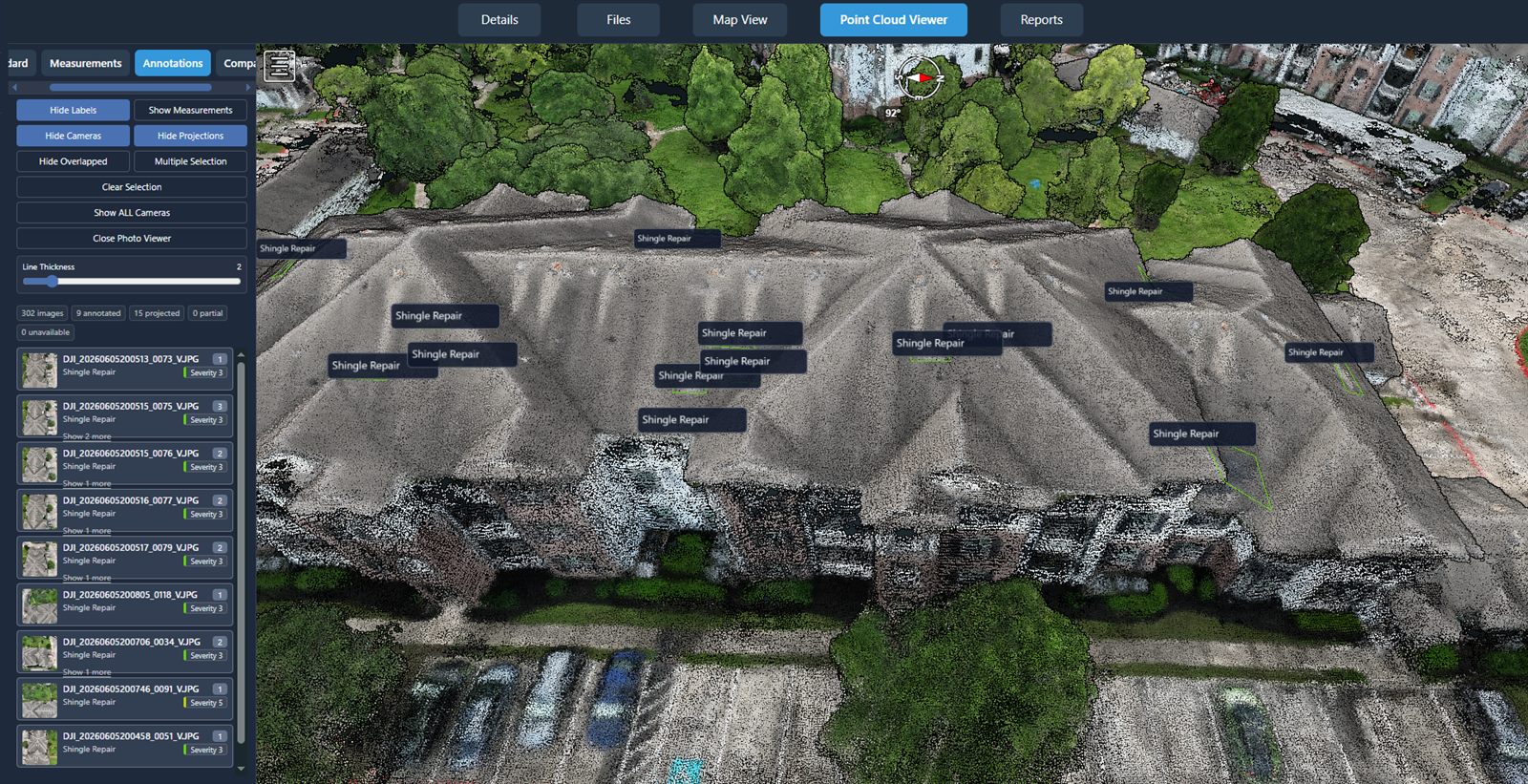
Finally, check how the data will be used after capture. If your team plans to upload the results into a central platform for analysis and sharing, choose a provider that delivers in compatible formats or that integrates directly with that platform. National Drone Services, for example, offers capture nationwide and provides a platform where you can organise, visualise, compare, and measure the data. That integration removes the need to convert files or manage separate storage.
The Bottom Line
Outsourcing drone data capture is a strategic decision that depends on project scale, timeline, and your team's existing capabilities. For large sites, tight deadlines, or projects that demand repeatable, high-quality data, a turnkey service delivers consistent results without the overhead of building an in-house operation. For small, simple jobs or situations where you already have a certified pilot and the equipment on hand, self-capture can be the faster route. The key is to evaluate each project on its own terms and choose the approach that gets you the data you need, when you need it, without wasting resources on setup and learning curves that someone else already has figured out.
National Drone Services on social media
 Facebook